

In K-12 education, hybrid learning strategically combines face-to-face instruction with remote methodologies, creating a balanced approach for modern classrooms. Emerging from predecessors like blended learning and flipped classrooms, this model has gained traction as schools adapt to post-pandemic realities. While these terms might seem interchangeable, key distinctions exist between educational frameworks.
Consider the flipped classroom: students engage with pre-recorded lessons at home, then use class time for interactive problem-solving. On the other hand, blended learning emphasizes asynchronous online modules supplemented by periodic in-person sessions. Neither fully traditional nor completely virtual, hybrid learning carves its niche by blending synchronous and asynchronous elements – particularly valuable amid teacher shortages that challenge conventional staffing models.
This balanced framework allows districts to maintain crucial human connections while harnessing digital advantages. As education evolves beyond pandemic-era “Zoom school,” hybrid models offer schools adaptable solutions for diverse learner needs and resource constraints.
Defining Hybrid Learning and Its Core Components
Hybrid learning, as you might implement it in K-12 settings, bridges traditional in-person instruction and remote learning methods. This educational framework combines face-to-face interaction with technology-enabled virtual components, avoiding rigid adherence to entirely in-classroom or fully remote models. Think of it as a dynamic middle ground—neither bound by physical classrooms nor limited to isolated online modules.
You’ll notice two foundational elements shaping this model:
Synchronous learning, where video conferencing tools let you connect educators and learners in real-time
Asynchronous learning, supporting self-paced digital content consumption
This strategic combination lets you leverage live instruction’s immediacy alongside asynchronous flexibility. For instance, a geography teacher could use live video sessions to demonstrate tectonic plate movements remotely while assigning recorded lectures about climate patterns for offline review.
What truly elevates hybrid learning? The ability of educators you employ to teach synchronized classrooms, whether students attend physically or remotely. Modern video platforms dissolve location barriers, ensuring every participant receives identical instructional input regardless of their learning environment.
Advantages of Adopting a Hybrid Learning Model
There are substantial flexibility benefits in hybrid learning that traditional classroom models can’t match. For administrators overseeing K -12 programs, this means students can alternate between in-person interactions and self-paced virtual workstations without sacrificing curricular continuity – think algebra lessons via video conference followed by in-class equation workshops.
Hybrid models also break geographical barriers. Remote learners participate seamlessly through platforms that mirror classroom dynamics, while assistive technologies accommodate diverse abilities. Consider a dyslexic student utilizing text-to-speech tools during asynchronous sessions while collaborating verbally during labs—hybrid adapts rather than restricts.
Engagement spikes when tech becomes pedagogy’s ally. Gamified quizzes and VR field trips transform passive learning into experiential discovery. Educators note heightened participation when tactile learners manipulate 3D simulations remotely before applying concepts in physical science fairs.
Customized Pacing: Advanced students bypass redundant units via competency checkpoints while struggling peers receive auto-generated remediation
Collaborative Infrastructure: Breakout rooms foster peer mentoring, and shared digital whiteboards document ideation cycles
Institutions gain resilience through hybrid’s scalability. When flu outbreaks shutter classrooms, learning continues unaffected online. Enrollment potential multiplies by serving rural communities unwilling to relocate yet eager for accredited programs.
Hybrid Learning demonstrates how merging physical and digital realms creates education that’s accessible yet intimate. While these advantages are transformative, their implementation requires foresight we’ll explore next.
Addressing Challenges and Ensuring Equity in Hybrid Learning
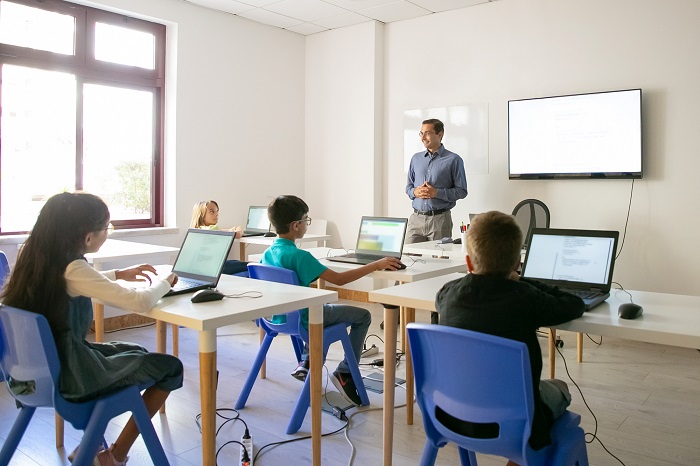
We firmly value hybrid learning’s potential for modern education). However, executing it well brings distinct obstacles you’ll need to navigate. Coordinating simultaneous instruction for in-person students and remote learners demands meticulous planning – a juggling act requiring technology proficiency beyond traditional classrooms. You’re likely to encounter three systemic challenges:
Resource Intensiveness: Implementing hybrid models requires extensive technology infrastructure in classrooms and student homes, alongside ongoing educator training to master new tools. Your school may need increased paraprofessional staffing to maintain instructional quality.
Variable Educator Burdens: Teacher workload fluctuates unpredictably – some report 23% longer hours managing dual delivery methods, according to K-12 tech adoption surveys.
Virtual Fatigue Risks: Synchronous online sessions (while essential) risk video conferencing fatigue, potentially dampening interaction quality compared to in-person exchanges.
Perhaps most critically: Some learners lack home computers or broadband, per 2023 FCC data. Assuming universal technology access jeopardizes equity in your hybrid rollout. Students facing housing insecurity face compounded obstacles, unable to participate meaningfully without targeted device/internet support.
The roadblocks prove daunting, yes. Yet strategic solutions let schools balance these factors while upholding engagement – a challenge our final section helps you solve systematically.
Read More : Best Practices, Tools, and Methodologies for Effective Remote Learning: An Overview
Hybrid Learning as a Strategic Solution for the Future
Hybrid learning has proven itself as education’s indispensable framework for navigating modern challenges. While teacher shortages and declining enrollments strain institutions, implementing these blended models allows you to maintain classroom continuity with flexible staffing solutions. The geographic barriers your rural students face disappear, too, as virtual components bring equitable access to specialized curricula.
districts report budget constraints limiting faculty hiring, hybrid models let you optimize resources through:
- Shared instruction via certified remote educators
- Modular course designs adaptable to enrollment fluctuations
- Scalable tech infrastructure serving dispersed populations
These strategies directly counter institutional vulnerabilities – crucial for long-term resilience.
Effective hybrid implementation paves pathways for sustainable enrollment growth while retaining your current student base.